Mastering the Art of Perfect Cream Cheese Frosting for Cake
There's a reason cream cheese frosting holds a special place in the hearts of dessert lovers worldwide. Its tangy, sweet, and incredibly smooth profile is the perfect counterpoint to rich cakes and vibrant cupcakes. From classic carrot cake and moist red velvet to delicate lemon cupcakes, a beautifully crafted cream cheese frosting elevates every bite. But achieving that ideal consistency – thick enough to pipe yet smooth enough to spread, without being too sweet or too tangy – can sometimes feel like a delicate balancing act. This comprehensive guide will walk you through every step, from selecting the right ingredients to mastering the technique, ensuring your cream cheese frosting for cupcakes and cake is nothing short of perfection every single time.The Essential Ingredients for Success
Creating an exceptional cream cheese frosting begins with understanding the role of each ingredient and selecting the highest quality available. Think of these as the building blocks for your culinary masterpiece.- Full-Fat Cream Cheese: This is non-negotiable. Opt for blocks of full-fat cream cheese, not the spreadable tubs or reduced-fat varieties. The higher fat content provides the necessary structure and richness, preventing your frosting from becoming runny. Always ensure it's softened to room temperature – but not warm or mushy – before you begin.
- Unsalted Butter: Just like the cream cheese, unsalted butter should be at a perfect room temperature. It should be pliable enough to leave an indentation when pressed, but not melted or greasy. Unsalted butter gives you control over the overall saltiness of your frosting, allowing you to add just a pinch to enhance the flavors.
- Powdered Sugar (Confectioners' Sugar): This fine sugar dissolves easily, creating a smooth, lump-free frosting. Sifting your powdered sugar is a crucial step to eliminate any lumps and ensure a velvety texture.
- Pure Vanilla Extract: A high-quality vanilla extract is paramount. It adds a warm, aromatic depth that complements the tanginess of the cream cheese beautifully. Avoid imitation vanilla; the difference in flavor is noticeable.
- A Pinch of Salt: Often overlooked, a tiny bit of salt balances the sweetness and enhances all the other flavors, preventing the frosting from tasting flat.
Step-by-Step Guide to Perfect Cream Cheese Frosting
Once you have your ingredients ready and at the ideal temperature, the actual mixing process is straightforward but requires attention to detail.- Cream the Butter: In the bowl of a stand mixer fitted with the paddle attachment (or using a hand mixer), beat the softened unsalted butter on medium speed for 2-3 minutes until it is light, fluffy, and pale in color. This incorporates air, contributing to a lighter frosting.
- Add the Cream Cheese: Add the room temperature full-fat cream cheese to the bowl with the butter. Beat on medium-low speed until just combined and smooth. It’s critical not to overmix at this stage, as overbeating cream cheese can break down its structure and lead to a runny frosting. Scrape down the sides of the bowl frequently to ensure everything is evenly incorporated.
- Gradually Add Powdered Sugar: With the mixer on low speed, slowly add the sifted powdered sugar, about a cup at a time, allowing it to incorporate fully before adding more. This prevents a cloud of sugar from engulfing your kitchen! Continue mixing on low until all the sugar is added and the mixture is smooth.
- Mix in Vanilla and Salt: Stir in the pure vanilla extract and the pinch of salt. Mix on low speed until just combined.
- Whip Until Light and Fluffy: Increase the mixer speed to medium-high and beat the frosting for another 1-2 minutes. This final whip incorporates more air, making the frosting wonderfully light, fluffy, and spreadable, perfect for any cake or cupcake. Be careful not to overmix, as this can still lead to a runny consistency. Stop as soon as it reaches your desired lightness.
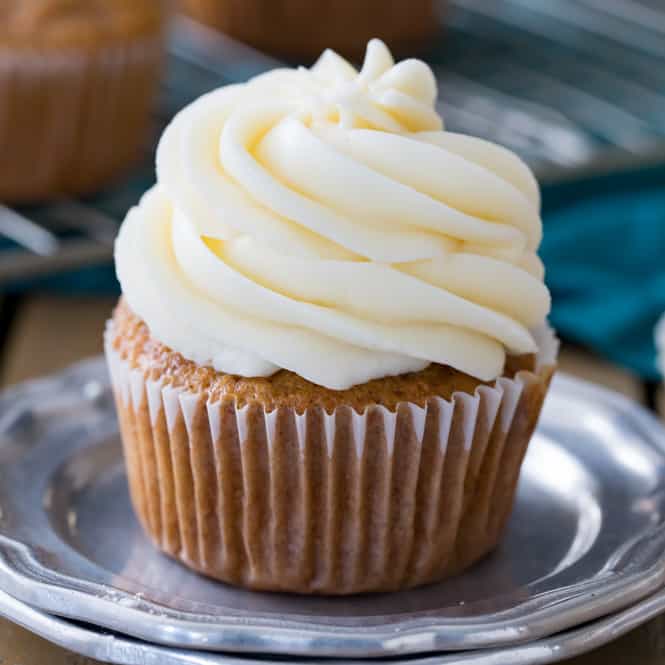
Your finished cream cheese frosting for cupcakes and cake should be smooth, airy, and hold its shape beautifully, whether you're spreading it onto a cake or piping intricate designs on cupcakes.
Common Pitfalls and How to Avoid Them
Even with the best intentions, cream cheese frosting can present a few challenges. Knowing what to watch out for can save your dessert!Overmixing: The Arch Nemesis of Cream Cheese Frosting
Overmixing is arguably the most common mistake. When cream cheese is beaten excessively, its emulsion can break, releasing water and resulting in a thin, soupy frosting that refuses to hold its shape. Solution: Beat the cream cheese with the butter only until just smooth and combined. Once the powdered sugar is added, mix only until smooth, then whip briefly for airiness. Stop as soon as it looks perfect!
Temperature Troubles: Too Cold or Too Warm?
If your butter and cream cheese are too cold, you'll end up with lumps, no matter how long you beat them. If they're too warm, your frosting will be soft and runny from the start. Solution: Plan ahead! Let your ingredients sit at room temperature for 30-60 minutes, depending on your ambient temperature. They should be soft to the touch but still cool. If your frosting becomes too soft while working, chill it in the fridge for 15-20 minutes, then re-whip it briefly.
Runny Frosting: When Stability is Key
Sometimes, even after following all the steps, your frosting might be softer than desired, especially in warmer environments or if you plan on piping tall swirls. This often comes down to ingredient ratios or external temperatures. Solution: If you find your cream cheese frosting for cupcakes and cake is too runny, a simple fix can be to add a bit more sifted powdered sugar, a tablespoon at a time, until it reaches the desired consistency. For more advanced stability, especially if you live in a warm climate or need to transport your decorated treats, consider adding a stabilizer. For in-depth solutions to this common issue, explore our article on Secrets to Stable Cream Cheese Frosting That Won't Melt.
Cracking Frosting: A Visual Blight
Have you ever spent ages frosting a beautiful cake, only to find cracks appearing on the surface hours later? This is often due to too much air incorporated into the frosting or temperature fluctuations after application. Solution: While some cracking is natural with any buttercream-style frosting, you can minimize it by being mindful of over-whipping and applying frosting to a fully cooled cake or cupcake. For a deeper dive into this issue and effective preventative measures, check out our guide: Cream Cheese Frosting: Why Yours Cracks and How to Fix It.
Tips for Flavor Variations and Decoration
Once you've mastered the basic recipe, the possibilities for customization are endless.Flavor Enhancements:
- Citrus Zest: Add finely grated lemon, orange, or lime zest for a bright, tangy kick.
- Spices: A pinch of cinnamon, nutmeg, or pumpkin pie spice pairs wonderfully with fall-themed desserts.
- Extracts: Experiment with almond, coconut, or even a touch of peppermint extract for unique flavor profiles.
- Fruit Purees: For a natural fruit flavor, carefully fold in a tablespoon or two of thick, reduced fruit puree (like raspberry or strawberry), ensuring it doesn't thin out the frosting too much.
Achieving Desired Consistency:
For spreading, you want a slightly softer, more pliable frosting. For intricate piping, you'll need it a bit stiffer. Adjust consistency by adding a touch more powdered sugar for thickness or a tiny splash of milk or cream for a thinner consistency.
Decorating with Confidence:
Cream cheese frosting, when made correctly, is a dream to work with. Use an offset spatula for smooth, even layers on cakes. For cupcakes, load it into a piping bag fitted with your favorite nozzle (like a star tip or round tip) for beautiful swirls and rosettes. Its stability allows for impressive decorations, making your cream cheese frosting for cupcakes and cake truly stand out.
