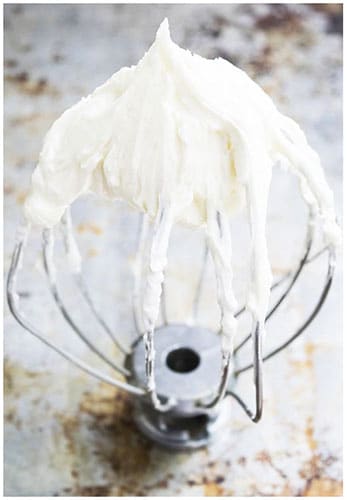
There's nothing quite like the tangy, sweet, and creamy delight of cream cheese frosting for cupcakes and cake. It's the perfect counterpoint to a rich red velvet, a moist carrot cake, or a delicate lemon cupcake. However, many home bakers have experienced the disheartening sight of their beautiful frosting turning into a weeping, sliding mess, especially in warmer temperatures. The dream of perfectly piped swirls quickly melts away, leaving a flat, unappealing disaster. But what if we told you that achieving a stable, pipeable, and non-melting cream cheese frosting isn't just a fantasy? It's entirely possible with the right knowledge and techniques. In this comprehensive guide, we'll unlock the secrets to creating a robust cream cheese frosting that holds its shape, even when the heat is on, ensuring your cupcakes and cakes always look and taste their best.
The Science Behind the Melt: Why Cream Cheese Frosting Struggles
To conquer the challenge of a melting cream cheese frosting, we first need to understand its unique composition. Unlike traditional buttercream, which relies almost entirely on butter for its structure, cream cheese frosting introduces a significant amount of water from the cream cheese itself. This higher water content, combined with the inherently softer texture of cream cheese, makes it more susceptible to temperature fluctuations and structural collapse. It’s a delicate balance of fats, solids, and liquids, and when that balance is disturbed, stability is compromised.
The Role of Ingredients: Fat, Water, and Sugar
- Cream Cheese: The star ingredient, but also the primary contributor to instability if not chosen or handled correctly. Its high moisture content and lower melting point compared to butter contribute to its softer nature.
- Butter: Provides essential fat and structure. When butter melts, it releases its trapped air and moisture, leading to a softer frosting. The ratio of butter to cream cheese is crucial for firmness.
- Powdered Sugar (Confectioners' Sugar): Beyond sweetness, powdered sugar contains a small amount of cornstarch (typically 2-3%) which acts as a stabilizer, absorbing moisture and providing bulk. However, relying solely on sugar for stability can result in an overly sweet frosting.
Temperature Troubles: The Enemy of Stability
Temperature is perhaps the single most critical factor influencing the stability of your cream cheese frosting. Both ambient temperature and the temperature of your ingredients play a massive role. If your kitchen is warm, or if your cream cheese and butter are too soft to begin with, you're starting at a disadvantage. Warm ingredients combine too easily, incorporating too much air and creating a light, fluffy, but ultimately weak emulsion that will quickly break down. This is why many bakers find their frosting perfectly fine in winter but a nightmare in summer. Understanding this fundamental principle is the first step towards a stable outcome for your cream cheese frosting for cupcakes and cake.
Mastering Your Ingredients: The Foundation of Stability
Achieving a stable cream cheese frosting starts long before you even turn on your mixer. The quality and type of your ingredients, as well as their preparation, lay the groundwork for success. Don't underestimate the power of these fundamental choices.
Choosing the Right Cream Cheese: Block vs. Spread
This is arguably the most vital decision. Always opt for full-fat block cream cheese, steering clear of whipped or spreadable varieties in a tub. These contain added water and stabilizers that undermine frosting stability. Block cream cheese, with its higher fat content and less water, provides a much firmer base. Ensure it's at cool room temperature – firm enough to hold its shape but soft enough to dent easily.
Butter Matters: The Unsung Hero
Use good quality unsalted butter. Like cream cheese, the butter should be at cool room temperature. This means it's still slightly firm to the touch, not greasy or shiny. If it's too warm, it will incorporate too much air too quickly, leading to a weak structure. If it's too cold, it won't cream properly, resulting in lumps. Aim for a temperature around 65-68°F (18-20°C).
Sweetener Savvy: Sifted Powdered Sugar is Your Friend
As mentioned, powdered sugar contains a small amount of cornstarch, which helps with stability. Always sift your powdered sugar, even if it claims to be "lump-free." Sifting removes lumps, ensuring a smooth frosting and helping it dissolve easily, preventing a gritty texture. Good quality powdered sugar is key for a truly perfect cream cheese frosting. For more tips on achieving ideal consistency, consider reading our guide on How to Make Perfect Cream Cheese Frosting for Cake.
The Secret Stabilizers: A Little Extra Help
For extra insurance, especially in warm climates or when piping intricate designs, you can incorporate additional stabilizers. These should be used sparingly to avoid altering the flavor or texture too much:
- Cornstarch: A teaspoon or two of cornstarch added with the powdered sugar can absorb excess moisture and provide firmness without significantly impacting flavor.
- Meringue Powder: This contains dried egg whites and stabilizers. A tablespoon or two can greatly enhance stability and create a fluffier texture, making your cream cheese frosting for cupcakes and cake much more resilient.
- Instant Pudding Mix (Vanilla or Cheesecake Flavor): A popular hack, 1-2 tablespoons of instant pudding mix (just the powder, not prepared) can add body and a subtle flavor boost. Ensure it's sugar-free or adjust your powdered sugar accordingly.
Technique is Key: Whipping Up a Sturdy Frosting
Even with the best ingredients, poor technique can derail your efforts. The way you combine and whip your frosting is just as important as what goes into it. Mastering these steps will ensure a beautifully stable consistency every time.
The Perfect Chill: Temperature Management is Crucial
We've already touched on ingredient temperature, but it bears repeating. Your cream cheese should be cool but slightly softened, and your butter should be at cool room temperature. This allows them to cream together effectively without becoming too soft too quickly. If your kitchen is warm, consider chilling your mixing bowl and whisk attachment for 10-15 minutes before you start.
Creaming Method Mastery: Don't Overmix the Cream Cheese
- Cream Butter and Sugar First: In a stand mixer fitted with the paddle attachment, cream the softened butter and sifted powdered sugar together on medium-low speed until light and fluffy. This can take 3-5 minutes. Scraping down the sides of the bowl frequently is important.
- Add Cream Cheese Last, and Briefly: Once the butter and sugar are perfectly creamy, add your cool, softened block cream cheese. Mix on low speed *just until combined* and smooth. This is the critical step. Overmixing the cream cheese will break down its structure, releasing too much water and making your frosting runny. As soon as it's incorporated, stop mixing.
Gradual Addition of Liquids and Extracts
If your recipe calls for milk, cream, or extracts, add them sparingly and gradually. Start with half the recommended amount, mix, and assess the consistency before adding more. Vanilla extract, for example, contributes liquid, so ensure you're using a good quality extract for maximum flavor impact without needing excessive amounts.
Avoiding Over-Whipping: Less Air, More Structure
While some air is good for a fluffy frosting, over-whipping cream cheese frosting is a common mistake. Whipping for too long incorporates too much air, which initially makes the frosting seem voluminous but ultimately weakens its structure. As the air bubbles pop, the frosting collapses. Mix on medium-low speed and stop as soon as the frosting comes together smoothly. A dense, creamy texture is more stable than an airy one for this type of frosting.
The Final Chill: A Necessity for Piping
Even a perfectly made frosting benefits from a final chill. Once your frosting is complete, cover the bowl with plastic wrap and refrigerate for at least 30-60 minutes. This allows the fats to firm up, making the frosting much easier to pipe and hold its shape. You might need to give it a quick whip for 10-20 seconds on low speed to restore its creaminess before using it after chilling. If you encounter issues like cracking or splitting after chilling, you might find solutions in our article Cream Cheese Frosting: Why Yours Cracks and How to Fix It.
Troubleshooting Common Issues & Expert Hacks
Even with the best intentions, things can sometimes go awry. Here are some solutions to common cream cheese frosting dilemmas and a few extra tricks up our sleeve.
Too Soft or Runny? Don't Panic!
If your frosting turns out too soft or runny, there are a few ways to salvage it:
- Add More Powdered Sugar: Gradually add 1/4 cup increments of sifted powdered sugar, mixing on low until incorporated, until the desired consistency is reached.
- Add Cornstarch or Meringue Powder: Whisk 1-2 teaspoons of cornstarch or meringue powder into 1/4 cup of powdered sugar, then add to the frosting and mix on low.
- Chill It Down: Often, simply chilling the frosting in the refrigerator for 30-60 minutes will firm it up considerably. After chilling, you may need to re-whip it for a few seconds to regain a smooth texture.
Grainy Texture? Prevention is Best
A grainy texture usually comes from undissolved sugar. Prevent this by:
- Always sifting your powdered sugar.
- Creaming your butter and sugar thoroughly until very light and fluffy before adding the cream cheese.
Combatting Heat and Humidity: Advanced Strategies
For truly challenging environments, consider these additional measures:
- Reduce Liquid: Cut back slightly on milk, cream, or even liquid extracts if your recipe is very wet.
- Use a Higher Fat Butter: European-style butters often have a higher butterfat percentage (e.g., 82% vs. 80%), which can contribute to a firmer frosting.
- Serve Chilled: If you've made a particularly sturdy frosting, serving your frosted cupcakes or cake directly from the refrigerator will give them the best chance of holding up.
Storing Your Stable Frosting
Once made, store your cream cheese frosting in an airtight container in the refrigerator for up to a week. Before using, let it come to cool room temperature (about 30-60 minutes), then give it a quick whip on low speed to restore its smooth, creamy consistency. Do not let it sit out for extended periods, especially if it contains dairy.
Mastering cream cheese frosting for cupcakes and cake can seem daunting, but by understanding the science behind the ingredients and employing precise techniques, you can overcome its notorious tendency to melt. From selecting the right full-fat block cream cheese and butter to managing ingredient temperatures and avoiding over-mixing, each step contributes to a more stable, beautiful, and delicious result. Experiment with small additions of cornstarch or meringue powder for extra insurance, and always remember the power of a good chill. With these secrets in your baking arsenal, you'll be able to confidently pipe gorgeous, resilient swirls that stand tall and proud, making your desserts the undeniable stars of any occasion. Happy baking!
